1. Metabolism:
* Breakdown of molecules: Enzymes break down large molecules into smaller ones, making them easier to absorb and use. For example, digestive enzymes break down carbohydrates, proteins, and fats into smaller units.
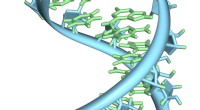
* Synthesis of molecules: Enzymes build complex molecules from simpler ones. For example, enzymes involved in DNA replication and protein synthesis create new molecules essential for cell growth and repair.
* Energy production: Enzymes facilitate reactions involved in generating energy for cellular processes, such as ATP production during cellular respiration.
2. Cellular Processes:
* DNA replication and repair: Enzymes are essential for copying DNA and repairing damaged DNA, ensuring accurate transmission of genetic information.
* Transcription and translation: Enzymes play crucial roles in the production of proteins from DNA, controlling gene expression.
* Cell signaling: Enzymes activate or deactivate signaling molecules, regulating communication between cells and within cells.
3. Biological Regulation:
* Hormone production: Enzymes are involved in the synthesis and breakdown of hormones, regulating various physiological processes.
* Immune response: Enzymes play a vital role in the immune system, breaking down pathogens and activating immune cells.
* Neurotransmission: Enzymes control the synthesis, release, and breakdown of neurotransmitters, regulating nerve impulse transmission.
4. Industrial Applications:
* Food production: Enzymes are used in brewing, baking, and cheesemaking to enhance flavor, texture, and digestibility.
* Bioremediation: Enzymes can break down pollutants, cleaning up contaminated environments.
* Biotechnology: Enzymes are used in genetic engineering, diagnostics, and pharmaceutical production.
Key Features of Enzymes:
* Specificity: Enzymes are highly specific, meaning they act only on specific substrates (reactants).
* Efficiency: Enzymes significantly increase the rate of chemical reactions, allowing them to occur at biologically relevant speeds.
* Regulation: Enzyme activity can be regulated by factors like temperature, pH, substrate concentration, and the presence of inhibitors or activators.
In summary, enzymes are essential for life, enabling a wide range of biochemical reactions that drive metabolism, cellular processes, and biological regulation. Their diverse functions and efficiency make them invaluable tools in various scientific and industrial applications.