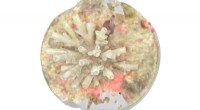
1. Carrying Genetic Material:
* The egg cell contains half the genetic material (23 chromosomes in humans) needed to create a new organism.
* This genetic material, encoded in DNA, determines the offspring's inherited traits like eye color, hair color, and predisposition to certain diseases.
2. Providing Essential Nutrients:
* The egg cell is packed with nutrients (yolk) that nourish the developing embryo during its early stages of growth.
3. Contributing to Embryonic Development:
* Upon fertilization by a sperm cell, the egg cell contributes to the formation of the zygote, the first cell of a new organism.
* The egg cell's cytoplasm also contains important proteins and other molecules that regulate early embryonic development.
4. Determining Sex of Offspring:
* The egg cell always carries an X chromosome, while sperm cells can carry either an X or a Y chromosome.
* The combination of these chromosomes determines the sex of the offspring (XX for female, XY for male).
5. Activating Sperm:
* The egg cell releases chemicals that activate the sperm cell's tail, allowing it to swim towards the egg.
* This interaction is crucial for fertilization to occur.
6. Preventing Polyspermy:
* Once a sperm cell successfully fertilizes the egg, the egg cell changes its outer layer to prevent other sperm cells from entering. This ensures that the embryo receives only one set of chromosomes from the father.
7. Supporting Early Embryonic Development:
* After fertilization, the egg cell undergoes rapid cell division (cleavage) and differentiation, laying the foundation for the development of different tissues and organs in the embryo.
These functions highlight the crucial role of the female gamete in the continuation of life and the development of a new individual.