As Prey:
* Birds: Many birds, particularly insectivores like swallows, flycatchers, and sparrows, feed on mosquitoes, especially during their larval stage.
* Bats: Some bats, particularly those specializing in catching flying insects, prey on mosquitoes.
* Fish: Mosquito larvae are a food source for fish living in water bodies, like minnows, bass, and trout.
* Dragonflies and Damselflies: These aquatic insects are voracious predators of mosquito larvae.
* Spiders: Spiders, both aquatic and terrestrial, catch and consume mosquitoes.
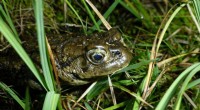
* Frogs and Toads: These amphibians, especially in their tadpole stage, feed on mosquito larvae.
As Predators:
* Mosquito larvae: They feed on algae, bacteria, and other small organisms in the water.
* Adult mosquitoes: Female mosquitoes feed on blood, primarily from mammals, birds, and reptiles. This blood is a crucial source of protein for them to produce eggs.
Impact on the Food Web:
* Population Control: Mosquitoes are an important food source for many animals, helping to regulate their populations.
* Disease Transmission: While mosquitoes are an important part of the ecosystem, they can also act as vectors for diseases like malaria, dengue fever, and West Nile virus. This can have a significant impact on other animals and humans.
* Nutrient Cycling: By consuming algae and bacteria, mosquito larvae contribute to nutrient cycling in aquatic environments.
In conclusion, mosquitoes are a vital part of the food web, providing food for numerous predators and contributing to the balance of ecosystems. However, their role in disease transmission poses a serious threat to both animal and human health.