1. Amino Acid Sequence Determines Protein Structure:
* Primary Structure: The linear sequence of amino acids in a protein chain. This sequence is like the blueprint for the protein's structure.
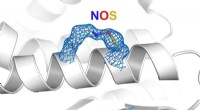
* Secondary Structure: The local folding patterns of the polypeptide chain, such as alpha-helices and beta-sheets, are influenced by interactions between amino acids.
* Tertiary Structure: The overall three-dimensional shape of a single protein molecule, which is determined by interactions between amino acids farther apart in the sequence.
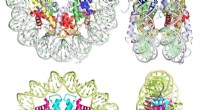
* Quaternary Structure: The arrangement of multiple polypeptide chains (subunits) in a protein complex.
2. Amino Acid Properties Influence Function:
* Hydrophobicity/Hydrophilicity: Amino acids with hydrophobic side chains tend to cluster in the interior of proteins, while hydrophilic amino acids are often found on the surface, interacting with water. This influences protein solubility and interactions with other molecules.
* Charge: Charged amino acids can form ionic bonds, contributing to protein stability and interactions with other molecules.
* Size and Shape: The size and shape of amino acid side chains affect how a protein folds and interacts with its binding partners.
* Chemical Reactivity: Some amino acids have reactive side chains that can participate in enzymatic reactions, signaling pathways, or other biological processes.
3. Examples of How Amino Acid Changes Affect Function:
* Mutations: Changes in the amino acid sequence of a protein can alter its structure and function. This can lead to disease, as in the case of sickle cell anemia, where a single amino acid change in hemoglobin causes red blood cells to become misshapen.
* Enzymes: The active site of an enzyme, where catalysis occurs, is often composed of specific amino acids that bind to the substrate and facilitate the reaction.
* Antibodies: The binding site of an antibody is specifically shaped to recognize and bind to a particular antigen.
In summary: Amino acids are the fundamental building blocks of proteins, and their specific sequence and properties directly determine a protein's structure, function, and ability to interact with other molecules.