The primary structure of a protein is the linear sequence of amino acids that make up its polypeptide chain. Think of it as the alphabet soup of protein building blocks, where each letter represents a different amino acid.
What causes this sequence?
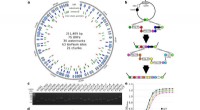
The primary structure is determined by the genetic code encoded in DNA. This code dictates the order in which amino acids are added during protein synthesis. Each three-base sequence in DNA (codon) corresponds to a specific amino acid.
Why is it important?
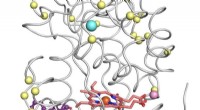
The primary structure is the foundation for all other levels of protein structure. The sequence of amino acids dictates the protein's folding pattern, which in turn defines its shape and function.
Here's a simple analogy:
Imagine a string of beads, each bead representing an amino acid. The order in which you string the beads determines the final shape and appearance of the necklace. Similarly, the order of amino acids in a protein determines its final three-dimensional structure and its specific role in the body.
In summary:
* Primary structure is the linear sequence of amino acids.
* It's determined by the genetic code.
* It's crucial for protein folding and function.
The primary structure is a fundamental concept in protein biology. Understanding it helps us comprehend the intricate workings of life at the molecular level.