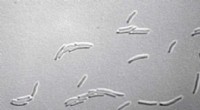
The whiplike organ itself is called a flagellum (plural: flagella). This structure is a long, thin projection that extends from the cell and beats rhythmically, propelling the protozoan through its environment.
Some examples of flagellates include:
* Euglena: A common freshwater flagellate that uses its flagellum to swim and also contains chloroplasts for photosynthesis.
* Trypanosoma: A parasitic flagellate that causes diseases like African trypanosomiasis (sleeping sickness).
* Giardia: Another parasitic flagellate that causes giardiasis, an intestinal infection.
So, if you hear about a protozoan that moves with a whip, you know it's a flagellate!