Here's a breakdown:
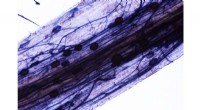
* Phloem: This is a complex vascular tissue that carries sugars (produced during photosynthesis) throughout the plant. It's made up of specialized cells called sieve tubes and companion cells.
* Sieve Tubes: These are long, thin cells arranged end-to-end with perforated end walls called sieve plates. The sugars move through these tubes.
* Companion Cells: These cells are connected to sieve tubes and provide them with energy and support. They are also involved in regulating the movement of sugars.
How does translocation work?
* Photosynthesis produces sugars in the leaves.
* These sugars are loaded into the phloem at the source (leaves).
* The sugars move through the phloem from the source to the sink (any part of the plant needing sugar, like roots, flowers, or fruits).
* This movement is driven by a pressure difference created by the active loading of sugars into the phloem at the source.
Key point: Phloem is essential for distributing the energy produced by photosynthesis to all parts of the plant for growth, storage, and other functions.