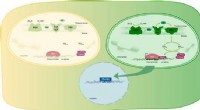
* Photosynthesis creates glucose: Photosynthesis converts light energy into chemical energy stored in the form of glucose (a type of sugar).
* Glucose needs to be processed: Glucose itself is not the readily usable form of energy for plants. It needs to be converted into other molecules like starch and sucrose for storage and transportation.
* Storage and transport:
* Starch: A complex carbohydrate that serves as a long-term energy reserve, stored in roots, stems, and seeds.
* Sucrose: A simple sugar that's easily transported through the plant's vascular system to where it's needed.
* Cellular respiration: When a plant needs energy, it breaks down starch and sucrose through cellular respiration, releasing energy in the form of ATP (adenosine triphosphate).
In short: While photosynthesis produces the building blocks for energy, plants need to process and store this food before they can access it for their growth and other functions.