1. Prey Animals:
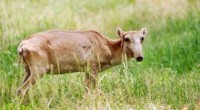
* Increased Competition: When prey animals die, the remaining individuals face increased competition for resources like food and shelter. This can lead to weakened individuals, increased vulnerability to predators, and even population decline.
* Predator Decline: The death of prey animals directly affects their predators. Without enough food, predator populations may decline, potentially disrupting the balance of the ecosystem.
* Ecosystem Impact: Large-scale die-offs of prey animals can significantly disrupt the entire food web, affecting other species that rely on them for food or habitat.
2. Predators:
* Prey Population Increase: The death of predators can lead to an increase in prey populations, potentially leading to overgrazing and resource depletion.
* Changes in Food Web Dynamics: Predators play an important role in regulating prey populations and maintaining ecosystem balance. Their absence can lead to cascading effects throughout the food chain, impacting multiple species.
3. Decomposers:
* Nutrient Recycling: The death of any animal provides food for decomposers like bacteria and fungi. These organisms break down dead matter, releasing nutrients back into the ecosystem for use by plants.
* Ecosystem Health: Decomposers are essential for nutrient cycling and maintaining soil fertility. Their activity is crucial for the overall health and productivity of ecosystems.
4. Other Factors:
* Disease Transmission: The death of animals can sometimes be caused by disease outbreaks, which can spread to other species and disrupt the food chain.
* Environmental Changes: Factors like pollution, climate change, and habitat destruction can lead to animal deaths, further impacting food web stability.
In Summary:
The death of animals is a natural part of the food chain. However, when death rates are abnormally high, it can have cascading effects that disrupt the balance of ecosystems. Understanding how animal death affects the food chain is crucial for conservation efforts and maintaining the health of our planet.