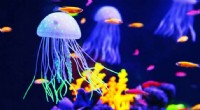
Biotic factors are all the living organisms within an ecosystem. They are the living components that interact with each other and their environment. Here are some examples:
* Plants: Trees, flowers, grasses, algae
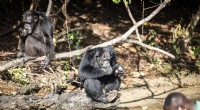
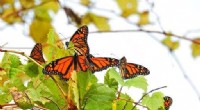
* Animals: Birds, insects, mammals, reptiles
* Fungi: Mushrooms, molds
* Bacteria: Microorganisms that play crucial roles in decomposition and nutrient cycling
Abiotic factors are the non-living components of an ecosystem. They provide the physical and chemical conditions that influence the life of organisms. Here are some examples:
* Sunlight: Provides energy for photosynthesis
* Temperature: Influences the rate of biological processes
* Water: Essential for all living things
* Soil: Provides nutrients and support for plants
* Air: Contains oxygen for respiration
* pH: Acidity or alkalinity of water and soil
Here's a simple way to remember the difference:
* Biotic: Bio refers to life.
* Abiotic: A stands for "not" or "without," so abiotic refers to things that are not living.
Interactions:
Biotic and abiotic factors are intricately interconnected. They constantly interact and influence each other, shaping the structure and function of ecosystems.
* Plants use sunlight and water to grow, providing food and shelter for animals.
* Animals release carbon dioxide through respiration, which influences the atmosphere.
* Temperature affects the distribution and abundance of species.
Understanding the relationship between biotic and abiotic factors is essential for:
* Understanding how ecosystems function.
* Predicting the effects of environmental changes on ecosystems.
* Developing conservation strategies to protect biodiversity.
In summary, biotic and abiotic factors are the fundamental components of ecosystems. They work together to create a complex and dynamic web of life.