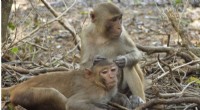
* Animals: Humans, dogs, cats, birds, fish, insects, worms.
* Plants: Trees, flowers, grasses, ferns, mosses.
* Fungi: Mushrooms, molds, yeasts.
* Algae: Seaweed, kelp, spirogyra.
What makes these multicellular? They are all made up of multiple cells that work together to form tissues, organs, and organ systems.
* Bacteria: These are single-celled organisms (prokaryotes).
* Protists: A diverse group of single-celled organisms (eukaryotes) like amoeba, paramecium, and algae.
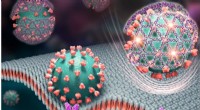
* Viruses: While they can reproduce, viruses are not considered living organisms. They are made of a protein coat surrounding genetic material and require a host cell to reproduce.
What makes these non-multicellular? They are all composed of only a single cell, which performs all necessary functions for life.
Important Note: There are some borderline cases, like slime molds, which can exist as single-celled organisms or form multicellular structures. However, for most organisms, the distinction is clear.