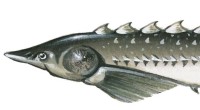
Fish:
* Saltwater: Striped bass, bluefish, flounder, red drum, menhaden, mullet, and various types of sharks.
* Freshwater: Catfish, bass, crappie, and sunfish.
* Euryhaline (tolerant of both salt and freshwater): Salmon, shad, and eels.
Invertebrates:
* Crustaceans: Crabs, shrimp, lobsters, barnacles, and oysters.
* Mollusks: Clams, mussels, and snails.
* Other invertebrates: Sea anemones, starfish, sea urchins, jellyfish, and worms.
Birds:
* Waterfowl: Ducks, geese, herons, egrets, and pelicans.
* Shorebirds: Sandpipers, plovers, gulls, and terns.
* Raptors: Hawks, osprey, and eagles.
Mammals:
* Marine mammals: Dolphins, porpoises, seals, and sea otters.
* Land mammals: Raccoons, opossums, deer, and foxes.
Reptiles:
* Saltwater: Alligators, crocodiles (in some areas), and sea turtles.
* Freshwater: Snakes, turtles, and lizards.
Amphibians:
* Frogs, toads, and salamanders.
Other:
* Plankton: Microscopic organisms that form the base of the food chain.
* Seagrass: A type of underwater grass that provides food and shelter for many animals.
Importance of Estuaries:
Estuaries are important because they serve as nurseries for many marine species, provide critical habitats for migratory birds, and filter pollutants from the water. They also play a role in regulating coastal water levels and protecting coastlines from erosion.
It's worth noting that the exact species present in an estuary will vary depending on factors like:
* Salinity: The amount of salt in the water, which can fluctuate greatly depending on tides and freshwater input.
* Temperature: Estuaries experience temperature changes throughout the year, which influences the types of animals that can survive there.
* Geography: The location of the estuary, including its latitude, proximity to other waterways, and the surrounding landscape.
So, while this list provides a general overview of the animals found in estuaries, it's important to remember that every estuary is unique and harbors its own specific community of life.