1. Morphological Evidence:
* This is the most traditional and often the first level of classification. It involves observing and comparing the physical characteristics of organisms, such as:
* External anatomy: Size, shape, color, appendages, etc.
* Internal anatomy: Skeletal structure, organ systems, etc.
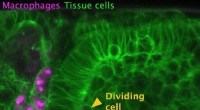
* Microscopic features: Cell structure, tissues, etc.
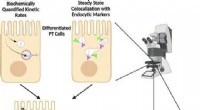
2. Biochemical Evidence:
* This type of evidence examines the molecular makeup of organisms, including:
* DNA and RNA sequences: Comparing the genetic code of different organisms.
* Protein structure: Analyzing the similarities and differences in proteins.
* Metabolic pathways: Comparing the biochemical reactions that occur within cells.
3. Developmental Evidence:
* This involves studying the developmental stages of organisms, from embryo to adult, to identify similarities and differences:
* Embryonic development: Comparing the early stages of development.
* Larval stages: Observing the differences in larval forms.
* Life cycles: Analyzing the complete developmental journey of an organism.
4. Behavioral Evidence:
* This can be used to classify organisms based on their behaviors, especially in cases where morphological differences are subtle:
* Communication: Vocalizations, mating rituals, etc.
* Social interactions: Hierarchy, cooperation, etc.
* Feeding habits: Diet, hunting techniques, etc.
5. Fossil Evidence:
* For extinct organisms, the fossil record plays a crucial role in understanding their evolutionary relationships and classification. This involves studying:
* Skeleton structure: Bone shape, size, and features.
* Fossil traces: Footprints, burrows, and other signs of activity.
* Dating methods: Determining the age of fossils.
Important Note: The Linnaean system is constantly evolving as new technologies and insights emerge. While morphology was the primary tool for centuries, modern classification relies heavily on genetic and biochemical data.