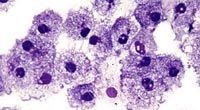
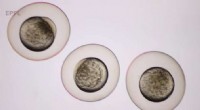
The nucleolus, a prominent structure within the nucleus of eukaryotic cells, is not enclosed by a membrane. It's a dynamic and essential organelle responsible for:
Structure:
* The nucleolus is composed primarily of:
* Ribosomal RNA (rRNA): Synthesized and processed within the nucleolus.
* Proteins: Imported from the cytoplasm, along with specific RNA molecules.
* Ribosomal subunits: Assembled within the nucleolus, then exported to the cytoplasm for protein synthesis.
* Organization: The nucleolus is not a homogenous structure, but rather a complex network of intermingling components:
* Fibrillar centers: Contain DNA sequences that code for rRNA.
* Dense fibrillar component: Contains rRNA transcripts undergoing processing.
* Granular component: Contains mature ribosomal subunits, ready for export.
Functions:
1. Ribosome biogenesis: The nucleolus is the site of ribosome assembly, a crucial process for protein synthesis. It synthesizes and processes rRNA, and assembles it with ribosomal proteins to form ribosomal subunits. These subunits are then exported to the cytoplasm, where they combine to form functional ribosomes.
2. Regulation of cell cycle: The nucleolus is intricately involved in cell cycle control. Its size and activity fluctuate during different phases of the cell cycle, reflecting the cell's needs for protein synthesis.
3. Cellular stress response: The nucleolus plays a role in cellular stress response, including responses to DNA damage and nutrient deprivation. It can alter its structure and function in response to stress, contributing to the cell's survival.
4. Regulation of gene expression: The nucleolus participates in regulating gene expression by controlling the availability of ribosomes and influencing the processing of other RNA molecules.
5. Viral infection: Some viruses, such as HIV and influenza, hijack the nucleolus to replicate their own genomes and produce viral proteins.
In Summary:
The nucleolus is a dynamic and essential organelle within the nucleus. Its primary function is ribosome biogenesis, but it also plays vital roles in cell cycle control, stress response, gene expression, and viral infection. Its structure reflects its complex and multifaceted functions, ensuring the efficient production of ribosomes and the regulation of cellular processes.