While both receptor-mediated endocytosis and facilitated diffusion involve the movement of molecules across a cell membrane, they differ significantly in their mechanisms and purposes:
Receptor-Mediated Endocytosis:
* Mechanism: Involves the binding of specific molecules (ligands) to receptor proteins on the cell surface. These receptors then cluster together and form coated pits, which invaginate and pinch off to form vesicles containing the bound molecules.
* Direction of movement: Into the cell.
* Energy requirement: Active process. Requires energy to form the vesicles and move the molecules inside.
* Specificity: Highly specific for the ligands that bind to the receptors.
* Example: Uptake of cholesterol and iron into cells.
Facilitated Diffusion:
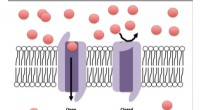
* Mechanism: Involves the movement of molecules across the cell membrane with the help of transport proteins. These proteins bind to the molecules and facilitate their movement down the concentration gradient.
* Direction of movement: Down the concentration gradient, from high to low concentration.
* Energy requirement: Passive process. Does not require energy.
* Specificity: Can be specific or non-specific. Some transport proteins are specific to certain molecules, while others can transport a range of molecules.
* Example: Glucose transport into cells.
Here's a table summarizing the key differences:
| Feature | Receptor-Mediated Endocytosis | Facilitated Diffusion |
|---|---|---|
| Mechanism | Receptor binding, vesicle formation | Transport protein binding |
| Direction of movement | Into the cell | Down concentration gradient |
| Energy requirement | Active | Passive |
| Specificity | Highly specific | Can be specific or non-specific |
| Example | Cholesterol and iron uptake | Glucose transport |
In essence, receptor-mediated endocytosis is an active, energy-requiring process that allows cells to selectively take in specific molecules, while facilitated diffusion is a passive process that allows molecules to move down their concentration gradient with the help of transport proteins.