1. Isolation: A population of organisms gets separated from the main group. This can happen due to:
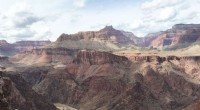
* Geographic isolation: A physical barrier like a mountain range, river, or ocean separates populations.
* Reproductive isolation: Populations develop differences in mating behaviors, breeding times, or genetic incompatibility, preventing them from interbreeding.
2. Genetic Drift and Natural Selection: Over time, the isolated populations evolve differently due to:
* Genetic drift: Random changes in gene frequencies within the isolated population.
* Natural selection: Environmental pressures favor certain traits in each population, leading to different adaptations.
3. Reproductive Isolation: The genetic differences between the isolated populations become so significant that they can no longer interbreed successfully. This means they have become separate species.
Key Points:
* Gradual process: Speciation takes a long time, often thousands or millions of years.
* No clear dividing line: There isn't always a distinct moment when a new species forms.
* Variety of mechanisms: There are many ways speciation can occur, depending on the specific circumstances.
Examples:
* Darwin's finches on the Galapagos Islands evolved different beak shapes due to the different food sources available on each island.
* The different species of cichlid fish in Lake Victoria evolved due to isolation in different parts of the lake and the selective pressures of their specific habitats.
Speciation is a fundamental process in evolution, responsible for the incredible diversity of life on Earth.