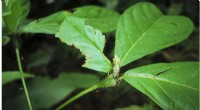
* Floating Plant Producer: This describes a plant that lives on the surface of the water and produces its own food through photosynthesis. Examples include water lilies, duckweed, and water hyacinth. They are called producers because they form the base of the food chain, converting sunlight into energy.
* Herbivore: An animal that eats only plants. Examples of herbivores that might consume floating plants include ducks, geese, fish (like carp), and some types of turtles.
* Carnivore: An animal that eats only other animals. Larger fish, snakes, and birds of prey could be carnivores that might consume the herbivores eating floating plants.
* Omnivore: An animal that eats both plants and animals. A common example would be a crayfish, which might graze on plants but also scavenge on dead fish or small invertebrates.
* Decomposer: An organism that breaks down dead organic matter (plants, animals, and waste products). This includes bacteria and fungi, which play a crucial role in recycling nutrients back into the ecosystem. Decomposers are essential for the breakdown of dead floating plants and the animals that eat them.
Here's a simple food chain example:
* Sun provides energy to the Floating Plant Producer
* Herbivore eats the Floating Plant Producer
* Carnivore eats the Herbivore
* Decomposers break down dead organisms from all levels, returning nutrients to the water.
Let me know if you want to learn more about any specific aspect of this food chain!