Here's a breakdown:
* Genes: Segments of DNA that code for specific traits.
* Alleles: Different versions of a gene. For example, the gene for eye color might have an allele for blue eyes and an allele for brown eyes.
* Mutations: Changes in the DNA sequence. These changes can be small, like a single nucleotide substitution, or large, like a deletion or insertion of a whole section of DNA.
How Mutations Affect Alleles:
When a mutation occurs within a gene, it can change the allele. This change can affect the protein that the gene codes for, potentially leading to a change in the trait. Here are some examples:
* Silent Mutation: A mutation that does not change the amino acid sequence of the protein. This type of mutation often has no effect on the phenotype (observable trait).
* Missense Mutation: A mutation that changes the amino acid sequence of the protein. This can lead to a change in the protein's function, potentially affecting the phenotype.
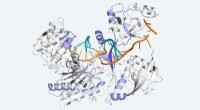
* Nonsense Mutation: A mutation that introduces a premature stop codon into the gene, leading to a truncated protein. This often results in a loss of function.
* Frameshift Mutation: A mutation that inserts or deletes nucleotides in the gene, altering the reading frame. This can significantly change the amino acid sequence and often results in a non-functional protein.
Importance of Mutations to Alleles:
Mutations are the driving force of evolution. They create new alleles, which can provide variation within a population. This variation allows natural selection to act on the population, favoring individuals with alleles that are better suited to their environment.
In summary: Mutations to alleles are changes in the DNA sequence of specific genes. These changes can have a variety of effects on the protein encoded by the gene, ranging from no effect to a complete loss of function. Mutations are essential for evolution, as they provide the raw material for natural selection to act upon.