An ecosystem is a community of living organisms (biotic factors) interacting with their non-living environment (abiotic factors). These components are interconnected and depend on each other for survival.
Think of it like a giant, complex web. Each thread represents a different part of the ecosystem, and they all work together to keep the web intact.
* Producers: Plants and algae that convert sunlight into energy through photosynthesis.
* Consumers: Animals that get their energy by eating other organisms.
* Decomposers: Organisms like fungi and bacteria that break down dead organic matter, releasing nutrients back into the environment.
* Herbivores: Animals that eat plants.
* Carnivores: Animals that eat other animals.
* Omnivores: Animals that eat both plants and animals.
* Parasites: Organisms that live on or in another organism (host) and benefit at the host's expense.
* Sunlight: Provides energy for producers to create food.
* Water: Essential for all life processes.
* Temperature: Impacts the rates of biological processes.
* Soil: Provides nutrients and support for plants.
* Air: Contains oxygen needed for respiration and carbon dioxide needed for photosynthesis.
* pH: The acidity or alkalinity of the environment.
* Minerals: Provide nutrients for plants and animals.
* Wind: Affects temperature, precipitation, and plant growth.
* Altitude: Affects temperature and air pressure.
Example:
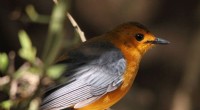
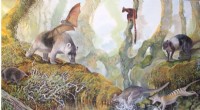
A forest ecosystem consists of trees (producers), insects (consumers), decomposing fungi (decomposers), birds (consumers), and soil (abiotic factor) with its nutrients and minerals. These components are interconnected; trees provide food for insects, insects provide food for birds, and decomposers break down dead organisms, releasing nutrients back into the soil for trees to use.
Remember:
* Ecosystems vary greatly in size and complexity.
* The interaction of biotic and abiotic factors is crucial for the stability and health of an ecosystem.
* Any change in one component of an ecosystem can have cascading effects on others.