1. Simplification and Organization: Ecosystems are incredibly complex, with numerous interacting species and factors. Models help simplify these systems by focusing on key components and relationships. This allows ecologists to:
* Isolate and test specific hypotheses: By simplifying the system, researchers can focus on the effect of specific variables without being overwhelmed by other factors.
* Organize and visualize data: Models can be used to represent data in a clear and concise way, making it easier to identify patterns and trends.
2. Prediction and Forecasting: Models can be used to predict how ecosystems will respond to changes, such as:
* Climate change: Models can simulate the effects of rising temperatures, altered precipitation patterns, and changes in atmospheric CO2 on species distributions and ecosystem dynamics.
* Habitat loss and fragmentation: Models can assess the impact of land use changes on biodiversity and ecosystem services.
* Species invasions: Models can predict the spread and potential impacts of invasive species.
3. Management and Conservation:
* Resource management: Models can help inform decisions about resource allocation, such as fisheries management or water resource management.
* Conservation planning: Models can identify priority areas for conservation, prioritize conservation actions, and assess the effectiveness of conservation efforts.
4. Education and Communication:
* Visual aids: Models can effectively illustrate complex ecological concepts and make them more accessible to a wider audience.
* Interactive tools: Models can be used to engage students and the public in learning about ecological processes.
5. Testing Theories and Generating New Insights: Models are essential tools for testing ecological theories and generating new hypotheses. By simulating different scenarios, ecologists can explore how different factors interact and shape the dynamics of ecosystems.
Types of Ecological Models:
There are many different types of ecological models, including:
* Mathematical models: These use equations to represent relationships between variables.
* Computer simulations: These use software to simulate ecological processes.
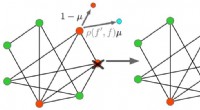
* Conceptual models: These use diagrams or flowcharts to represent the key components and relationships in an ecosystem.
It's important to remember that models are not perfect representations of reality. They are simplified representations that make assumptions and are based on available data. However, they can provide valuable insights into the workings of ecosystems and help us make better decisions about their management and conservation.