Here's a breakdown:
* Independent Variable: The factor you're changing or manipulating in the experiment.
* Dependent Variable: The factor you're measuring to see the effects of the independent variable.
* Control: The group or condition that doesn't receive the treatment or manipulation of the independent variable. It helps establish what would happen *naturally*, without the influence of the independent variable.
Example:
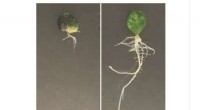
Let's say you're testing the effect of a new fertilizer on plant growth.
* Independent variable: The fertilizer
* Dependent variable: Plant height
* Control: A group of plants that receive no fertilizer (the standard for comparison)
By comparing the growth of the plants that received fertilizer to the growth of the control group, you can determine if the fertilizer had a significant effect.
In essence, the control group helps you isolate the effect of the independent variable. It allows you to determine whether any changes in the dependent variable are due to the independent variable or to other factors.