1. Discrete Units:
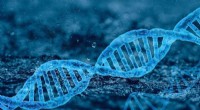
* DNA: Information is encoded in the sequence of four nucleotide bases: Adenine (A), Thymine (T), Cytosine (C), and Guanine (G).
* Morse Code: Information is encoded using a combination of dots (.) and dashes (-).
2. Combining Units:
* DNA: These four bases are arranged in specific sequences, forming genes and ultimately, the entire genome.
* Morse Code: Dots and dashes are combined in specific patterns to represent letters, numbers, and punctuation.
3. Meaning from Sequence:
* DNA: The order of the bases in a DNA sequence determines the amino acid sequence of a protein, which dictates its function.
* Morse Code: The specific arrangement of dots and dashes determines the meaning of a message.
4. Decoding:
* DNA: Specialized enzymes and cellular machinery read the DNA sequence and translate it into proteins.
* Morse Code: A trained operator decodes the pattern of dots and dashes to understand the message.
However, there are important differences:
* Complexity: DNA's code is far more complex, encoding not only the instructions for building proteins but also regulatory elements and other biological processes.
* Redundancy: DNA has a certain level of redundancy, meaning multiple codons can code for the same amino acid. Morse code is not redundant.
* Medium: DNA is a physical molecule, while Morse code is a system of symbols transmitted through various media (e.g., light, sound, radio waves).
In summary:
Both DNA and Morse code are systems for encoding information using discrete units arranged in specific sequences. While the level of complexity and the medium of transmission differ greatly, they share a fundamental concept of representing information through patterned sequences.