The anatomy of swine is complex, encompassing a variety of systems working in concert to sustain life. Let's delve into some key aspects:
1. Skeletal System:
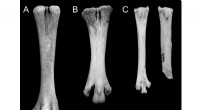
* Skeleton: Similar to other mammals, pigs have a skeletal system comprised of bones that provide support, structure, and protection.
* Skull: The skull houses the brain and sensory organs. It features a snout with a strong, cartilaginous disc (snout pad) for rooting and digging.
* Vertebral column: Consists of cervical, thoracic, lumbar, sacral, and caudal vertebrae, providing flexibility and support.
* Limbs: Forelimbs (shoulder, humerus, radius, ulna, carpals, metacarpals, phalanges) and hindlimbs (pelvis, femur, tibia, fibula, tarsals, metatarsals, phalanges) are strong and well-suited for movement.
2. Muscular System:
* Muscles: Pigs have a well-developed muscular system, allowing for efficient movement, digestion, and respiration.
* Locomotion: The leg muscles enable locomotion and the powerful jaw muscles facilitate chewing and rooting.
* Respiratory: Muscles like the diaphragm and intercostal muscles are essential for breathing.
3. Digestive System:
* Mouth: The mouth features a strong snout and teeth for rooting, chewing, and breaking down food.
* Stomach: Pigs have a simple stomach with a pH of approximately 2, ideal for digesting food.
* Intestines: The small and large intestines are responsible for absorbing nutrients and eliminating waste.
* Liver: The liver plays a crucial role in detoxification, protein synthesis, and bile production.
* Pancreas: This gland secretes digestive enzymes and hormones for regulating blood sugar.
4. Respiratory System:
* Lungs: The lungs are vital for gas exchange, taking in oxygen and expelling carbon dioxide.
* Trachea: The windpipe conducts air to the lungs.
* Bronchi: The trachea branches into two bronchi, delivering air to each lung.
5. Circulatory System:
* Heart: The heart pumps blood throughout the body, delivering oxygen and nutrients to tissues.
* Blood vessels: Arteries carry oxygenated blood away from the heart, while veins return deoxygenated blood to the heart.
6. Nervous System:
* Brain: The brain controls all bodily functions and processes information from the senses.
* Spinal cord: This extension of the brain transmits signals between the brain and the rest of the body.
* Nerves: Nerves carry signals to and from the brain and spinal cord.
7. Urinary System:
* Kidneys: The kidneys filter waste products from the blood and produce urine.
* Urinary bladder: This sac stores urine before it is excreted.
8. Reproductive System:
* Male: Testes produce sperm, and the penis facilitates mating.
* Female: Ovaries produce eggs, and the uterus houses the developing embryo.
9. Skin:
* Skin: Pigs have a thick, tough skin that provides protection against injury and infection.
* Hair: The majority of pig breeds have limited hair covering, though some breeds (like the Mangalitsa) are known for their thick wool-like coat.
10. Sensory Organs:
* Eyes: Pigs have good vision, although they are primarily colorblind.
* Ears: Pigs have excellent hearing, often using their ears to communicate and detect danger.
* Snout: This sensitive appendage allows for smell and touch, enabling pigs to locate food and explore their environment.
Understanding the anatomy of swine is essential for proper animal care, disease recognition, and efficient agricultural practices. This knowledge enables us to understand the intricate workings of these remarkable animals.