Negative Impacts:
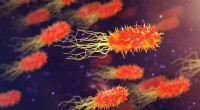
* Disease Outbreaks: Carp are susceptible to various bacterial and viral diseases. Introductions of new pathogens can lead to outbreaks, causing high mortality rates, particularly in young carp or those already stressed by environmental factors.
* Immunity Suppression: Some pathogens can suppress the immune system of carp, making them more vulnerable to other infections and parasites.
* Growth Retardation: Diseases can hinder carp growth, impacting their ability to reproduce and compete for resources.
* Reproduction Disruption: Some pathogens can directly affect reproductive organs and processes, leading to reduced fertility or offspring viability.
* Behavioral Changes: Infections can alter carp behavior, such as feeding habits, making them more susceptible to predation or impacting their ability to find suitable spawning grounds.
Positive Impacts (indirect):
* Competition Reduction: If introduced pathogens target specific fish species that compete with carp for resources, it can indirectly benefit carp populations by reducing competition.
* Predator Control: Some pathogens can impact the populations of predators that prey on carp, potentially creating a more favorable environment for carp survival.
Overall, the effect of bacteria and viruses on carp life cycles is complex and depends on many factors, including:
* The specific pathogen: Different bacteria and viruses have varying levels of virulence and impact on carp.
* Carp population health: Healthy, well-nourished carp are more resistant to disease.
* Environmental conditions: Stressful conditions, such as overcrowding, poor water quality, or extreme temperatures, can exacerbate the impact of pathogens.
* Management practices: Fisheries management practices, like stocking and harvesting, can influence the spread and impact of pathogens.
It's important to note:
* While the introduction of pathogens can sometimes be beneficial to carp, it's generally considered a risky practice, as it can have unpredictable and potentially harmful consequences for the entire ecosystem.
* Responsible management of inland lakes includes monitoring for disease outbreaks, implementing disease prevention strategies, and promoting healthy fish populations to reduce susceptibility to pathogens.
Further research:
* Specific studies on the impact of various bacteria and viruses on carp life cycles are needed to better understand and manage these complex interactions.
* Understanding the role of pathogens in carp population dynamics is crucial for maintaining healthy and sustainable fish populations in inland lakes.