Here's how oxygen and nutrients from digested food get into your body cells:
Oxygen:
1. Breathing: You inhale oxygen through your lungs.
2. Diffusion: Oxygen moves from the tiny air sacs in your lungs (alveoli) into your bloodstream. This happens because the concentration of oxygen is higher in the alveoli than in the blood.
3. Red Blood Cells: Oxygen attaches to hemoglobin in red blood cells, which act like tiny delivery trucks.
4. Circulation: The heart pumps the oxygenated blood throughout your body.
5. Capillaries: Oxygen diffuses from the blood into the tiny capillaries (blood vessels) that surround your cells.
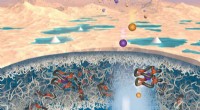
6. Cell Membrane: Oxygen crosses the cell membrane (the outer layer of the cell) through a process called passive diffusion, moving from areas of high concentration to low concentration.
Nutrients from Digested Food:
1. Digestion: Food is broken down into smaller molecules in your digestive system.
2. Absorption: These smaller molecules are absorbed into your bloodstream through the lining of your small intestine.
3. Circulation: The blood carries these nutrients throughout your body.
4. Capillaries: Nutrients diffuse from the blood into the capillaries surrounding your cells.
5. Cell Membrane: Nutrients cross the cell membrane through various transport mechanisms, including:
* Passive Diffusion: Like oxygen, some nutrients move across the membrane from high to low concentration.
* Active Transport: This requires energy to move nutrients against their concentration gradient, from low to high concentration.
* Facilitated Diffusion: Special proteins on the cell membrane help certain nutrients move across.
Important Note:
* The cell membrane acts like a gatekeeper, controlling what goes in and out of the cell.
* The processes of oxygen and nutrient transport are vital for cell function and survival. They provide the building blocks and energy cells need to perform their tasks.
Let me know if you'd like more information about any of these processes!