Similarities:
* Photosynthesis: Both algae and plants use chlorophyll to capture sunlight and convert it into energy through photosynthesis.
* Presence of cell walls: Both have cell walls, though the composition differs. Plants have cell walls made of cellulose, while algae have cell walls made of various materials like cellulose, pectin, and silica.
Differences:
* Structure: Algae lack the complex vascular systems, roots, stems, and leaves that characterize plants. They are generally simpler in structure, ranging from single-celled organisms to large multicellular forms.
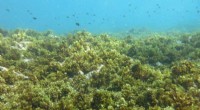
* Habitat: While many plants live on land, algae thrive primarily in aquatic environments like oceans, lakes, and ponds. Some algae species can also live in damp terrestrial environments like soil and tree bark.
* Reproduction: Algae reproduce asexually by cell division, while plants reproduce sexually through flowers and seeds. Some algae species can also reproduce sexually.
* Classification: Plants belong to the kingdom Plantae, while algae belong to a diverse group of organisms that are classified into different kingdoms, including Protista and Chromista.
* Size: While some algae can grow quite large, most are microscopic, unlike many plants.
* Nutrition: Some algae are heterotrophic, meaning they obtain their nutrients from other organisms, unlike most plants that are autotrophic and make their own food.
In summary:
While algae and plants share some similarities, they are distinct in their structure, habitat, reproduction, classification, and nutrition. Algae are a diverse group of organisms that are more closely related to other protists than to plants.