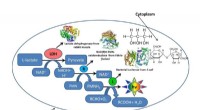
1. Cellular Respiration: This is the primary use of glucose in most organisms. Glucose is broken down through cellular respiration to release energy in the form of ATP, which powers various cellular processes.
2. Storage: Plants store excess glucose as starch, which is a complex carbohydrate. Starch acts as a reserve energy source, providing energy when photosynthesis is limited (e.g., during the night).
3. Building Blocks: Glucose serves as a building block for other essential biomolecules like:
* Cellulose: A structural component of plant cell walls.
* Proteins: Glucose is used to synthesize amino acids, the building blocks of proteins.
* Lipids (fats): Glucose can be converted into fatty acids and glycerol, components of lipids.
* Nucleic acids: Glucose is used in the synthesis of nucleotides, the building blocks of DNA and RNA.
4. Growth and Development: The glucose produced during photosynthesis supports the growth and development of plants. It is used to create new cells, tissues, and organs.
5. Reproduction: Glucose is essential for the production of seeds, fruits, and flowers, which are vital for plant reproduction.
6. Defence Mechanisms: Plants can use glucose to produce compounds that protect them from pests and diseases.
7. Communication: Plants use glucose to produce hormones that regulate various physiological processes and communication between different parts of the plant.
In summary, the glucose produced in photosynthesis is not just a fuel source but a versatile building block that supports all aspects of plant life. It is essential for growth, development, reproduction, and even defense.