1. Storing and Protecting Genetic Information:
- The nucleus houses the cell's DNA, which contains the genetic instructions for building and maintaining the organism.
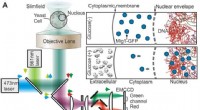
- The nuclear envelope, a double membrane surrounding the nucleus, protects the DNA from damage and keeps it organized.
2. Regulating Gene Expression:
- The nucleus controls which genes are expressed (activated) and which are silenced. This allows the cell to adapt to its environment and carry out specialized functions.
- This regulation is achieved through complex interactions between DNA, RNA, and proteins within the nucleus.
3. Producing Ribosomes:
- The nucleus contains nucleoli, specialized regions where ribosomes are assembled.
- Ribosomes are essential for protein synthesis, which is the process of building proteins based on the genetic instructions in DNA.
4. Cell Division and Replication:
- During cell division, the nucleus replicates its DNA, ensuring that each daughter cell receives a complete copy of the genetic information.
- The nuclear envelope breaks down during mitosis and meiosis, allowing the chromosomes to separate and move to opposite poles of the cell.
5. Communication with the Cytoplasm:
- The nucleus interacts with the cytoplasm, the fluid-filled region outside the nucleus, through nuclear pores.
- These pores allow for the exchange of molecules, including mRNA (messenger RNA), which carries the genetic instructions from DNA to the ribosomes for protein synthesis.
In summary, the nucleus is a vital organelle that plays a critical role in the life of the cell. Its functions are essential for maintaining the integrity of the cell, regulating its activities, and ensuring the accurate transmission of genetic information to future generations.