1. Extracellular Digestion: Fungi release enzymes from their hyphae (thread-like filaments) into their surroundings. These enzymes break down complex organic molecules (like carbohydrates, proteins, and lipids) in their environment into smaller, simpler molecules.
2. Absorption: The smaller molecules then diffuse through the fungal cell walls and into the hyphae, where they are absorbed by the fungus.
Here's a breakdown of different ways fungi obtain their nutrients:
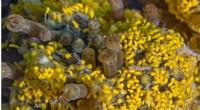
* Saprotrophs: These fungi feed on dead organic matter, like fallen leaves, decaying wood, and animal waste. They play a crucial role in decomposition and recycling nutrients in ecosystems.
* Parasites: These fungi obtain nutrients from living organisms, causing them harm. Some examples include athlete's foot fungus and rust fungi that infect plants.
* Mutualists: These fungi live in a mutually beneficial relationship with another organism. For example, mycorrhizal fungi form partnerships with plant roots, exchanging nutrients for sugars.
* Predators: Some fungi trap and digest small organisms like nematodes (roundworms) using specialized structures.
Key points to remember:
* Fungi lack chlorophyll, so they cannot produce their own food through photosynthesis like plants.
* Fungi are heterotrophic, meaning they rely on external sources of organic matter for nutrition.
* Fungi have a large surface area due to their hyphae, allowing for efficient absorption of nutrients.
* Fungi are essential for the functioning of many ecosystems, playing vital roles in nutrient cycling and decomposition.
Let me know if you would like to delve into any specific type of fungal nutrition in more detail!