* Descriptive statistics: This includes measures like means, standard deviations, and ranges, which describe the data collected.
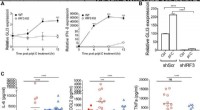
* Tables and figures: These present the data in a clear and concise manner, often using graphs, charts, or images.
* Interpretation of the results: The scientist will explain what the results mean in the context of the research question and hypothesis.
* Statistical analysis: If applicable, the scientist will report the results of any statistical tests that were conducted.
* Limitations: The scientist will acknowledge any limitations of the study, such as small sample size or potential biases.
The results section should be written in a clear, objective, and concise manner, avoiding speculation or drawing conclusions that are not supported by the data. It should also be written in past tense, as it is describing events that have already happened.
Here are some additional points to consider when writing a results section:
* Focus on the most important findings: Don't overwhelm the reader with too much detail.
* Use appropriate terminology: Avoid jargon that the reader may not understand.
* Be consistent with data presentation: Use the same format for tables and figures throughout the section.
* Provide enough context for the reader to understand the results: Explain the methods used and the research question being addressed.
The results section is a crucial part of a scientific paper, as it provides the evidence to support the conclusions drawn by the researcher. By following these guidelines, you can ensure that your results section is clear, informative, and persuasive.