Seeds:
* Structure: Seeds are complex structures containing a embryo, endosperm (food source for the embryo), and a seed coat.
* Origin: Seeds develop from fertilized ovules within a flower or cone.
* Development: Seeds require fertilization by pollen to form.
* Dispersal: Seeds can be dispersed by various means like wind, water, animals, etc.
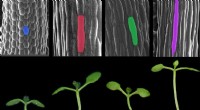
* Germination: Seeds germinate by producing a root and shoot to establish a new plant.
* Examples: Trees, flowers, fruits, vegetables.
Spores:
* Structure: Spores are single-celled and much simpler than seeds. They have a tough outer coat for protection.
* Origin: Spores are produced by specialized cells within the plant called sporangia.
* Development: Spores are not formed by fertilization; they can develop into a new plant without needing to fuse with another cell.
* Dispersal: Spores are typically dispersed by wind or water.
* Germination: Spores germinate to form a haploid gametophyte, which produces gametes.
* Examples: Ferns, mosses, fungi, algae.
Key Differences in a Table:
| Feature | Seeds | Spores |
|---|---|---|
| Structure | Complex (embryo, endosperm, seed coat) | Single-celled and simple |
| Origin | Fertilized ovules | Specialized cells (sporangia) |
| Development | Requires fertilization | Does not require fertilization |
| Dispersal | Various methods (wind, water, animals) | Wind or water |
| Germination | Produces root and shoot | Produces a gametophyte |
| Examples | Trees, flowers, fruits, vegetables | Ferns, mosses, fungi, algae |
In summary: Seeds are complex structures containing an embryo and food source, while spores are single-celled and simpler. Seeds develop from fertilized ovules, while spores are produced by specialized cells. Seeds require fertilization, while spores can germinate without it. Both are involved in plant reproduction, but through different mechanisms.