Similarities:
* Both are involved in dispersal: Both seeds and spores are designed to be dispersed away from the parent plant, allowing for the colonization of new areas.
* Both contain genetic material: Both carry the genetic information needed to grow into a new plant.
* Both can remain dormant for long periods: Both seeds and spores can survive for long periods in harsh conditions until favorable conditions for growth arrive.
Differences:
* Structure: Seeds are more complex and consist of an embryo, a food source (endosperm), and a protective coat. Spores are single cells with a tough outer wall.
* Development: Seeds develop from a fertilized egg (zygote) within a flower, while spores are produced by meiosis (cell division) in non-flowering plants.
* Food Source: Seeds have their own food source (endosperm) to nourish the developing embryo, while spores rely on external sources of nutrients for growth.
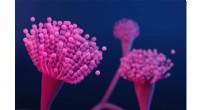
* Plant type: Seeds are characteristic of flowering plants (angiosperms) and gymnosperms (conifers, cycads, etc.). Spores are characteristic of non-flowering plants like ferns, mosses, and fungi.
In short:
* Seeds are more complex and require fertilization.
* Spores are simpler and are produced through asexual reproduction.
Here's a table summarizing the differences:
| Feature | Seeds | Spores |
|---|---|---|
| Structure | Embryo, endosperm, seed coat | Single cell with a tough outer wall |
| Development | Fertilization of egg | Meiosis (cell division) |
| Food Source | Endosperm within the seed | External nutrients |
| Plant Type | Flowering plants and gymnosperms | Non-flowering plants |