Here's why:
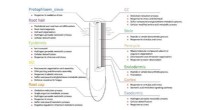
* Cell Wall: Plant cells have a rigid cell wall made of cellulose that provides structural support and protection.
* Chloroplast: Plant cells contain chloroplasts, the organelles responsible for photosynthesis, which uses sunlight to convert carbon dioxide and water into sugars.
* Large Vacuole: Plant cells have a large central vacuole that stores water, nutrients, and waste products, and helps maintain cell turgor (pressure).
While some other organisms might have one or two of these features, only plant cells possess all three: cell wall, chloroplast, and a large vacuole.