1. Temperature:
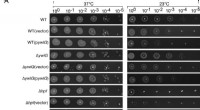
* How it affects enzyme activity: Enzymes have an optimal temperature range where they function most efficiently.
* Low temperatures: Slow down enzyme activity. The molecules move slower, reducing the frequency of collisions between the enzyme and its substrate.
* High temperatures: Initially increase enzyme activity (up to a point). More collisions occur, but beyond the optimal temperature, the enzyme's structure begins to denature (unfold), losing its shape and functionality.
* Very high temperatures: The enzyme becomes irreversibly denatured, and its activity is lost.
2. pH:
* How it affects enzyme activity: Each enzyme has an optimal pH range.
* Deviation from the optimal pH: Affects the charges on the amino acid side chains in the enzyme's active site. These charges are crucial for substrate binding and catalysis.
* Extreme pH values: Can cause the enzyme to denature, altering its shape and destroying its activity.
3. Substrate Concentration:
* How it affects enzyme activity:
* Low substrate concentration: The rate of enzyme activity is directly proportional to the substrate concentration. More substrate means more frequent collisions with the enzyme and a faster reaction rate.
* High substrate concentration: The rate of enzyme activity eventually levels off. All enzyme active sites become saturated, and the reaction rate plateaus, even if more substrate is added.
Important Note: The specific optimal temperature and pH for an enzyme varies depending on the type of enzyme and its function within the organism.