1. Transformation:
* Process: Bacteria take up naked DNA from their environment. This DNA might come from dead bacteria that have lysed (broken open), releasing their genetic material.
* How it works: The bacterial cell has specific proteins on its surface that bind to DNA fragments and pull them into the cell. Once inside, the DNA can be integrated into the bacterial chromosome or exist as a separate plasmid.
2. Transduction:
* Process: Bacteriophages (viruses that infect bacteria) act as vectors to transfer DNA between bacteria.
* How it works: During phage replication, bacterial DNA can be mistakenly packaged into a phage capsid instead of phage DNA. When this phage infects a new bacterial cell, it delivers the bacterial DNA, which can integrate into the new host's chromosome.
3. Conjugation:
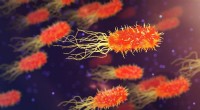
* Process: Direct transfer of genetic material between two bacteria via a pilus.
* How it works: One bacterium, called the donor, forms a pilus, a thin tube-like structure, that connects to the recipient bacterium. The donor replicates its DNA, and one copy travels through the pilus to the recipient. The transferred DNA can be integrated into the recipient's chromosome or exist as a separate plasmid.
Key Features of Genetic Exchange in Bacteria:
* Horizontal Gene Transfer: These mechanisms are known as horizontal gene transfer, as they allow for gene exchange between individuals of the same generation, unlike vertical gene transfer (from parent to offspring).
* Rapid Evolution: Horizontal gene transfer contributes significantly to the rapid evolution of bacteria, allowing them to quickly acquire new traits, such as antibiotic resistance.
* Importance in Biotechnology: These processes are exploited in biotechnology to introduce new genes into bacteria, creating organisms with desirable properties for applications like producing drugs or biofuels.
Example:
* Antibiotic resistance genes can be spread through all three mechanisms. This can result in the rapid spread of resistance within a bacterial population, making treatment of infections more challenging.
Overall, these three mechanisms allow bacteria to share genetic information and adapt quickly to changing environments, making them incredibly resilient and diverse organisms.