1. Mitochondrial Cristae:
* Adaptation: The inner membrane of mitochondria is folded into numerous cristae.
* Effect: These folds greatly increase the surface area of the inner mitochondrial membrane. This is crucial because the inner membrane is where the electron transport chain and ATP synthesis occur, both essential processes in cellular respiration.
2. Increased Number of Mitochondria:
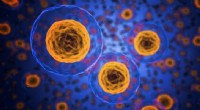
* Adaptation: Cells that have high energy demands (like muscle cells) often have a large number of mitochondria.
* Effect: More mitochondria mean a larger total surface area for the inner mitochondrial membranes, allowing for more efficient ATP production.
3. Microvili (for cells with direct interaction with the environment):
* Adaptation: Some cells that directly take in nutrients for respiration may have microvilli – small, finger-like projections of the cell membrane.
* Effect: Microvilli increase the surface area of the plasma membrane, enhancing the uptake of molecules needed for cellular respiration.
4. Surface Area of the Cell Membrane:
* Adaptation: Cells involved in respiration may have a larger overall surface area. This could be due to their shape or size.
* Effect: This provides more space for transport proteins and other molecules involved in cellular respiration to function effectively.
How these adaptations improve cellular respiration:
* Increased Efficiency: A larger surface area allows for more reactions to occur simultaneously, speeding up the overall process of cellular respiration.
* Enhanced Nutrient Uptake: Greater surface area facilitates faster diffusion and uptake of nutrients like glucose and oxygen, which are essential fuels for respiration.
* Improved Waste Removal: More surface area helps in the efficient removal of waste products like carbon dioxide, preventing buildup.
Important Note: The specific adaptations will vary depending on the cell type and its specific function. For instance, muscle cells may have more mitochondria and microvilli, while other cells might prioritize different adaptations.