Carbohydrates:
* Glycosidic Bonds: These are the primary bonds holding carbohydrate monomers (monosaccharides) together. They are formed through a dehydration reaction, releasing a water molecule. These bonds can be alpha or beta depending on the orientation of the monomers.
Proteins:
* Peptide Bonds: These are the bonds that link amino acid monomers together to form polypeptide chains. They are formed between the carboxyl group of one amino acid and the amino group of the next, releasing a water molecule.
Nucleic Acids:
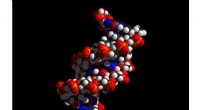
* Phosphodiester Bonds: These bonds connect nucleotides (the monomers of nucleic acids) in a chain. The phosphate group of one nucleotide forms two ester linkages with the sugar groups of the next two nucleotides.
Lipids:
* Ester Bonds: These bonds are found in fats, oils, and phospholipids. They are formed between a glycerol molecule and a fatty acid. Glycerol has three hydroxyl groups that can each form an ester bond with a fatty acid.
* Other Bonds: Within the fatty acid chains of lipids, you find hydrophobic interactions between the nonpolar hydrocarbon tails. These interactions contribute to the stability of lipid structures like cell membranes.
Important Note:
* While these are the primary bond types, each macromolecule can also have other bonds, like hydrogen bonds (which are important for the structure of proteins and nucleic acids).
* Also, Van der Waals forces play a role in stabilizing the overall structures of these macromolecules.