1. Nutrition:
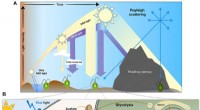
* Bacteria obtain nutrients from their environment. Some are autotrophs, meaning they make their own food through processes like photosynthesis, using sunlight and CO2. Others are heterotrophs, obtaining nutrients from other organisms by breaking down organic molecules (like sugars) through cellular respiration.
2. Respiration:
* Bacteria carry out cellular respiration, a process that breaks down glucose (sugar) to release energy (ATP) for the cell's functions. This process requires oxygen and produces CO2 as a waste product.
3. Movement:
* Some bacteria are motile, meaning they can move. This is achieved through flagella, whip-like structures that propel them through their environment.
4. Growth:
* Bacteria grow by increasing their size and then dividing through a process called binary fission. This creates two identical daughter cells.
5. Reproduction:
* As mentioned above, bacteria reproduce asexually through binary fission. This is a fast and efficient way to create new individuals.
6. Sensitivity (Response to Stimuli):
* Bacteria are sensitive to changes in their environment, such as changes in temperature, light, or nutrient availability. They respond by moving towards favorable conditions (positive taxis) or away from unfavorable conditions (negative taxis).
7. Excretion:
* Bacteria produce waste products during metabolism. These wastes, like CO2, are released into the environment to maintain a healthy internal environment.
Important Note: These are just some examples of how a simple organism like a bacterium carries out life processes. More complex organisms have more sophisticated ways of carrying out these processes.
Let me know if you'd like to explore how more complex organisms perform these functions!