1. Thiomargarita namibiensis: This is a sulfur-oxidizing bacterium found in the sediments of the Namibian coast. It can reach up to 0.75 mm in diameter, making it visible to the naked eye. Its size is attributed to a large vacuole that stores sulfur granules.
2. Epulopiscium fishelsoni: This is a giant bacterium found in the gut of surgeonfish. It can grow up to 0.5 mm long, which is about 50 times larger than typical bacteria. It is unique for its unusual reproductive strategy, where it divides by internal budding.
3. Candidatus Thiomargarita magnifica: Discovered in 2022, this sulfur-oxidizing bacterium is an absolute behemoth, reaching up to 9 mm long, making it the largest bacterium ever discovered. It's large enough to be seen without a microscope and has a complex internal structure, with its genetic material dispersed throughout the cell.
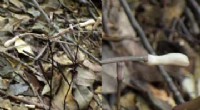
4. Armillaria ostoyae: This fungus, also known as the "honey mushroom," is not a microbe in the typical sense, but it can be considered a "giant" organism due to its massive size. It is a single organism that spreads underground via mycelia, and its largest known specimen covers over 8.9 square kilometers in Malheur National Forest, Oregon.
5. Mycena interrupta: This mushroom has a fascinating characteristic – it can form "fairy rings" in grasslands. These rings can be quite large, up to several meters in diameter. While the mushroom itself is not giant, the collective growth of its mycelium network forms a conspicuous pattern that can be considered "giant" on a macroscopic scale.
It's important to note that these examples are exceptional, and most microbes remain incredibly small. The discovery of giant microbes like *T. magnifica* is changing our understanding of microbial life and pushing the boundaries of what we know about their size and complexity.