1. Increased Access to Resources:
* Food: Adaptations like specialized beaks in birds or long necks in giraffes allow animals to access specific food sources more efficiently.
* Water: Desert animals like camels have adaptations to conserve water, allowing them to thrive in arid environments.
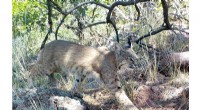
* Shelter: Camouflage patterns help animals hide from predators or ambush prey, while burrowing animals find refuge in underground habitats.
2. Enhanced Protection from Predators:
* Camouflage: Matching the environment allows animals to blend in, making them harder to spot by predators.
* Defense Mechanisms: Spines, venom, and warning coloration deter predators.
* Flight and Speed: Adaptations like wings and strong muscles allow animals to escape predators quickly.
3. Improved Reproduction:
* Attracting Mates: Bright colors, elaborate dances, and unique calls help animals attract mates, increasing their chances of breeding.
* Nesting Adaptations: Birds have specialized nests and parenting behaviors to protect their eggs and young.
4. Enhanced Tolerance to Environmental Challenges:
* Extreme Temperatures: Thick fur in cold climates, or thin fur and sweat glands in hot climates help animals regulate their body temperature.
* Salt Water Environments: Saltwater fish have evolved specialized kidneys to manage salt levels in their bodies.
* Polluted Environments: Some bacteria have developed resistance to pollutants, allowing them to survive in contaminated environments.
Evolution and Natural Selection:
Adaptations arise through evolution by natural selection. Individuals with traits that make them better suited to their environment are more likely to survive, reproduce, and pass on those beneficial traits to their offspring. Over generations, these advantageous adaptations become more common within a population, leading to the evolution of new species.
Conclusion:
Adaptations are essential for the survival and long-term success of a species. By enhancing access to resources, protection from predators, reproductive success, and tolerance to environmental challenges, they equip organisms with the necessary tools to thrive in their specific environment.