Natural resources are materials or substances found in nature that humans can use to meet their needs. They are essential for our survival and are the foundation of our economy.
Here's a breakdown:
Types of Natural Resources:
* Renewable: Resources that can be replenished naturally over a relatively short period. Examples include:
* Solar energy: Energy from the sun.
* Wind energy: Energy from moving air.
* Hydropower: Energy from flowing water.
* Biomass: Energy from organic matter (wood, crops, etc.).
* Geothermal energy: Energy from heat within the Earth.
* Timber: Wood harvested from trees.
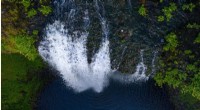
* Water: Essential for life and many industrial processes.
* Fish: Important food source and a component of the ecosystem.
* Non-renewable: Resources that form over geological timescales, making their replenishment impractical. Examples include:
* Fossil fuels: Coal, oil, and natural gas.
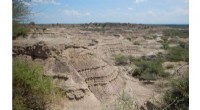
* Minerals: Iron, copper, aluminum, gold, etc.
* Natural gas: A fossil fuel used for heating and electricity.
Classification by Origin:
* Biotic: Resources derived from living organisms, like forests, animals, and fish.
* Abiotic: Resources derived from non-living things, like minerals, water, and air.
Significance:
* Economic Development: Natural resources play a crucial role in economic growth, supporting various industries.
* Environmental Sustainability: Sustainable use and management are critical to ensure these resources are available for future generations.
* Human Well-being: Access to clean water, food, and energy is essential for human health and development.
Challenges:
* Overexploitation: Using resources faster than they can replenish, leading to depletion and environmental damage.
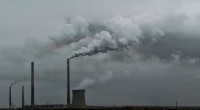
* Pollution: Contamination of natural resources, impacting human health and ecosystems.
* Climate Change: Changing weather patterns can affect resource availability and create new challenges.
Importance of Conservation:
* Responsible use: Using resources efficiently and minimizing waste.
* Resource management: Developing strategies to ensure sustainable use of natural resources.
* Renewable alternatives: Investing in renewable energy sources and sustainable practices.
By understanding the importance of natural resources and practicing sustainable management, we can ensure their availability for current and future generations.