1. Grasses:
- Dominant vegetation in the savanna, including species such as
buffel grass, bluestem, and thatching grass.
2. Trees:
- Umbrella thorn acacia (Acacia tortilis), tamarind (Tamarindus
indica), baobab (Adansonia digitata), and shea butter tree
(Vitellaria paradoxa) are common tree species.
3. Shrubs:
- Species like wait-a-bit thorn (Acacia ataxacantha),
croton (Croton spp.), and lantana (Lantana camara) are
common shrubs.
4. Large Herbivores (Megaherbivores):
- These animals play a crucial role in shaping the savanna
ecosystem. Examples include elephants, giraffes, zebras,
antelopes (e.g., wildebeest, impala), buffalo, rhinos, and
hippopotamuses.
5. Carnivores:
- Lions, leopards, cheetahs, hyenas, and jackals are
prominent carnivores.
6. Omnivores:
- Baboons, monkeys, and warthogs are common omnivores in the
savanna.
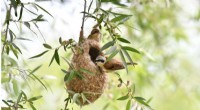
7. Birds:
- A diverse array of bird species inhabits the savanna, including
ostriches, vultures, eagles, hornbills, weaverbirds, and
sunbirds.
8. Reptiles:
- Snakes like pythons, cobras, and vipers; lizards such as
monitor lizards and agama lizards; turtles, and crocodiles are
found in the savanna.
9. Insects:
- Termites, ants, beetles, butterflies, and locusts are examples
of abundant insect species.
10. Microorganisms:
- Various fungi, bacteria, and other microscopic organisms play
vital roles in nutrient cycling and decomposition processes in the
savanna ecosystem.
11. Amphibians:
- Frogs and toads are found in the savanna during the wet
season.
12. Fish:
- Rivers, lakes, and other water bodies in the savanna support
diverse fish species.