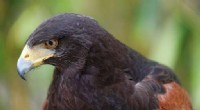
Birds: Modern birds evolved during the Cenozoic era, replacing the dinosaurs that became extinct at the end of the Cretaceous period. This group includes a wide variety of species, from songbirds to birds of prey, waterfowl, and seabirds.
Reptiles: Reptiles continued to diversify during the Cenozoic, although they were not as dominant as they had been during earlier eras. This group includes snakes, lizards, crocodiles, and turtles.
Amphibians: Amphibians, such as frogs, salamanders and newts, continued to exist throughout the Cenozoic era.
Fish: Fish diversified greatly during the Cenozoic era, with the appearance of many modern groups, including bony fishes such as bass, trout, salmon and tuna, as well as cartilaginous fishes like sharks and rays.
Invertebrates: The Cenozoic era also saw the diversification of invertebrates, such as insects, arachnids (spiders, scorpions, and others), and crustaceans (crabs, shrimp, lobsters, etc.).
Plants: The Cenozoic era was characterised by the rise of flowering plants, which provided a diverse and abundant food source for animals. Grasses became dominant, leading to the development of grasslands and savannahs.
Marine Life: The Cenozoic era also witnessed the evolution of modern marine life, including corals, molluscs, and other invertebrates, as well as the diversification of marine mammals, such as whales, dolphins, and seals.