Seed Dispersal: Raccoons are omnivores and feed on a variety of fruits, nuts, berries, and seeds. As they move through their habitats, they often disperse seeds through their feces, helping plants reproduce and colonize new areas.
Pest Control: Raccoons help control populations of insects, rodents, and other small mammals that can damage crops, forests, and even transmit diseases. By preying on these animals, raccoons help maintain ecological balance.
Scavenging: Raccoons are opportunistic feeders and often scavenge on dead animals, reducing the risk of disease transmission and helping to clean the environment.
Den Creation: Raccoons create dens in hollow trees, under rocks, or in burrows, providing shelter for themselves and other wildlife species, such as squirrels, opossums, and birds.
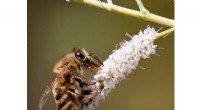
Pollination: While not as essential as other pollinators like bees, raccoons occasionally contribute to pollination by transferring pollen between flowers when they feed on nectar and fruits.
Cultural and Ecological Significance: Raccoons are also important in many cultures and ecosystems. In some Native American traditions, raccoons are considered tricksters or messengers and have cultural and spiritual significance.
However, it's worth noting that raccoons can also be a nuisance in some areas, particularly in urban environments, due to their habit of raiding garbage cans, causing property damage, or occasionally carrying diseases. Balancing the benefits they provide with effective management strategies is essential for maintaining healthy ecosystems while mitigating potential conflicts.