1. Cells: The fundamental building blocks of multicellular organisms. Cells are the smallest unit of life that can exist independently.
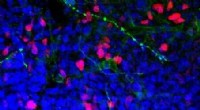
2. Tissues: A group of similar cells that work together to perform a specific function. For example, muscle tissue, nerve tissue, and connective tissue.
3. Organs: A structure that consists of two or more different tissues that work together to perform a specific function. For example, the heart, lungs, and kidneys.
4. Organ systems: A group of organs that work together to perform a complex function. For example, the digestive system, respiratory system, and circulatory system.
5. Organism: The entire living entity, composed of all the organ systems working together.