1) Abiogenesis: The origin and development of life from non-living matter.
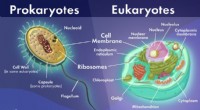
2) Prokaryotes: The emergence of the earliest and simplest forms of life, such as bacteria and cyanobacteria.
3) Eukaryotes: The evolution of more complex cells with membrane-bound organelles and a nucleus.
4) Multicellular Organisms: The development of organisms composed of multiple specialized cells.
5) Invertebrates: The diversification of animals without a backbone, including insects, worms, and mollusks.
6) Vertebrates: The rise of animals with a backbone, including fish, amphibians, reptiles, birds, and mammals.
7) Primates: The evolution of primates, characterized by larger brains and complex social behaviors, leading to the emergence of early hominids.
8) Humans: The development of the genus Homo, including the evolution of modern humans (Homo sapiens) with advanced intelligence, language, and culture.
This sequence represents the general progression of life on Earth based on the fossil record and evolutionary evidence, but it's important to note that the evolutionary process is complex and multifaceted.