Structure
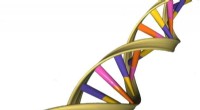
* DNA is a double-stranded molecule, while RNA is a single-stranded molecule.
* DNA contains the sugar deoxyribose, while RNA contains the sugar ribose.
* DNA contains the nitrogenous bases adenine, cytosine, guanine, and thymine, while RNA contains the nitrogenous bases adenine, cytosine, guanine, and uracil.
Function
* DNA is the genetic material of cells. It contains the instructions for making all of the proteins that the cell needs.
* RNA is involved in a variety of cellular processes, including protein synthesis, gene regulation, and cell signaling.
Location
* DNA is found in the nucleus of cells.
* RNA is found in the cytoplasm of cells.
Stability
* DNA is more stable than RNA. This is because DNA is double-stranded and contains the sugar deoxyribose, which is more resistant to degradation than the sugar ribose.
Replication
* DNA is replicated by a process called DNA replication. This process ensures that each daughter cell receives a copy of the DNA.
* RNA is not replicated. Instead, it is transcribed from DNA by a process called transcription.
Translation
* DNA is not directly translated into protein. Instead, it is first transcribed into RNA. The RNA is then translated into protein by a process called translation.
* RNA can be directly translated into protein. This is because RNA contains the codons that specify the amino acids that make up proteins.
Overall, DNA and RNA are two very different molecules with different structures, functions, and locations. DNA is the genetic material of cells, while RNA is involved in a variety of cellular processes.