.Microbe:
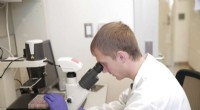
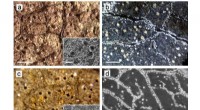
* Microbes are microscopic living organisms that include bacteria, viruses, archaea, fungi, and protists.
* They are single-celled or simple multicellular organisms and are found in all environments on Earth.
* Microbes can be found in soil, water, air, plants, animals, and even inside the human body.
* Microbes play crucial roles in the environment, such as decomposition, nutrient cycling, and the production of oxygen and various compounds important for Earth's ecosystems.
* Some microbes can cause diseases like bacteria and viruses, while others are beneficial, like those used in food production (e.g., yeast in baking) and in biotechnology (e.g., bacteria in antibiotic production).
.Fungus (Plural: Fungi):
* Fungi are a diverse group of organisms classified as their own kingdom, separate from plants and animals.
* Fungi include yeasts, molds, and fleshy fungi like mushrooms and puffballs.
* Fungi are heterotrophic, meaning they obtain their nutrients from external sources. They absorb nutrients from the environment through their fine, branching, and thread-like structures called hyphae.
* Unlike plants, fungi do not contain chlorophyll and cannot photosynthesize. They obtain nutrients by decomposing organic matter and absorbing nutrients from their surroundings.
* Fungi play essential roles in nutrient recycling, decomposition of organic matter, and symbiotic relationships with plants (e.g., mycorrhizae) and other organisms.
* Some fungi are edible and used as food, while others can cause infections and diseases in plants, animals, and humans (e.g., athlete's foot caused by certain fungi).
In summary, microbes refer to a wide range of microscopic organisms, including bacteria, fungi, and others. Fungi form their distinct kingdom and are characterized by their heterotrophic nature, absence of chlorophyll, and specific structures like hyphae. While fungi are a type of microorganism, there are many other types of microbes beyond fungi.