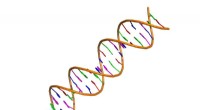
Before the advent of DNA sequencing technology, biologists had to painstakingly analyze genetic material through time-consuming and laborious methods like gel electrophoresis. However, with the introduction of DNA sequencers, the process of determining the sequence of nucleotides in a DNA molecule has become incredibly fast and efficient. This technology allows biologists to quickly and accurately obtain genetic information, leading to breakthroughs in fields such as genomics, genetics, and evolutionary biology.
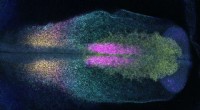
Traditionally, biologists relied on manual observations and measurements to study living organisms. However, technology has introduced various automated and digital methods for data collection and analysis. Techniques such as microscopy coupled with digital image analysis enable biologists to capture high-resolution images and perform precise measurements. This has facilitated detailed studies of cellular structures, developmental processes, and physiological changes in living organisms.
Molecular biology techniques such as Polymerase Chain Reaction (PCR) and Real-Time PCR have significantly impacted the study of gene expression. These techniques allow biologists to amplify and quantify specific DNA or RNA sequences, enabling investigations into gene regulation, gene expression profiles, and disease mechanisms.
Advanced imaging techniques like magnetic resonance imaging (MRI), computed tomography (CT scans), and electron microscopy provide biologists with detailed visualizations of internal structures and tissues. These technologies are particularly valuable in studying anatomical features, visualizing developmental processes, and diagnosing medical conditions in living organisms.
In the field of ecology and environmental biology, technology has enabled the development of remote sensing techniques. Satellites, drones, and camera traps equipped with sensors collect vast amounts of data on environmental parameters, species distributions, and ecological interactions. This information helps biologists study ecosystems, monitor biodiversity, and track changes in response to environmental factors.
Bioinformatics, the application of computational tools to analyze biological data, has become indispensable in modern biology. Researchers use bioinformatics to analyze genetic sequences, gene expression data, protein structures, and other complex biological information. This field has facilitated the discovery of patterns, relationships, and functional insights within large datasets, leading to breakthroughs in genomics, drug design, and systems biology.
Technology has also made scientific research more collaborative and accessible. Online databases, open-access journals, and virtual research environments allow biologists to share data, collaborate on projects, and disseminate research findings more efficiently. This fosters interdisciplinary research, promotes open science, and democratizes access to scientific knowledge.
In summary, technology has transformed biological research by providing powerful tools and techniques for data collection, analysis, visualization, and collaboration. These advancements have vastly expanded the scope and depth of biological studies, leading to groundbreaking discoveries and advancements in our understanding of living organisms.