1. Imaging Techniques:
-Microscopy: Advanced microscopy techniques, such as electron microscopy and scanning probe microscopy, allow biologists to visualize and study the ultrastructure of cells and organisms at an unprecedented level of detail.
2. DNA Sequencing and Genomics:
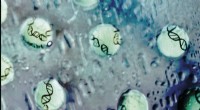
-DNA sequencing: High-throughput DNA sequencing technologies have made it possible to rapidly and cost-effectively sequence entire genomes, enabling the study of genetic variation, evolution, and functional genomics.
3. Bioinformatics and Computational Biology:
- Powerful computational tools aid in analyzing large datasets generated by genomics and other high-throughput technologies. Modeling and simulations contribute to understanding complex biological processes.
4. Molecular Biology Techniques:
- PCR (Polymerase Chain Reaction): PCR allows researchers to amplify and analyze specific DNA sequences, facilitating genetic engineering and the study of gene expression.
5. Gene Editing:
-CRISPR-Cas9: This revolutionary gene-editing technique enables precise modification of DNA, allowing for functional studies and potential therapeutic applications.
6. High-Throughput Screening:
-Automated platforms enable large-scale screening of biological samples or compounds, accelerating drug discovery and the study of molecular interactions.
7. Remote Sensing and Satellite Data:
- Remote sensing technologies provide valuable data on ecological patterns and environmental changes, aiding in the study of biodiversity, conservation, and ecosystem dynamics.
8. Wearable Sensors:
- Biometric sensors and wearable devices contribute to the study of behavior, physiology, and ecology in natural settings, providing real-time data on movement patterns, heart rate, and environmental conditions.
9. Virtual Reality and Augmented Reality:
-These technologies enhance visualization and interaction with complex biological structures, allowing researchers to explore and analyze them in immersive virtual environments.
10. Citizen Science and Crowdsourcing:
- Online platforms engage the public in biological research, such as collecting and analyzing large datasets, contributing to advancements in fields like biodiversity monitoring and conservation efforts.
In summary, technology has equipped biologists with a diverse array of tools and techniques that enhance the study of living things across multiple scales, from molecules to ecosystems. These technological advances continue to drive scientific discoveries and contribute to our ever-growing understanding of the diversity, complexity, and interconnectedness of life on Earth.